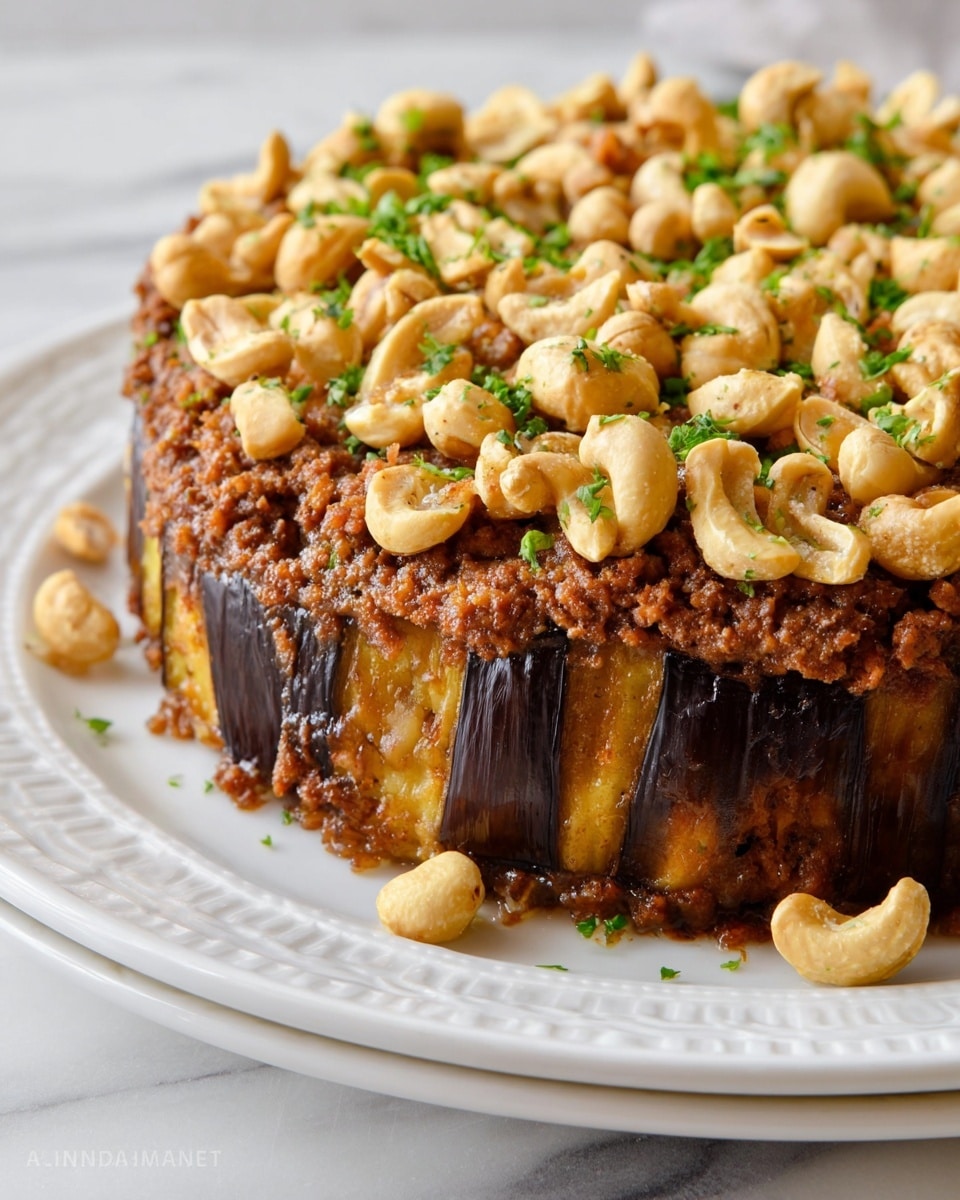
Unveiling Maqlouba: The Upside-Down Beef, Eggplant & Rice Dish
In the vibrant tapestry of Middle Eastern cuisine, few dishes capture the imagination and delight the palate quite like Maqlouba. Meaning "upside-down" in Arabic, this culinary masterpiece is more than just a meal; it's an event, a celebration of rich flavors and comforting textures. At its heart lies a harmonious blend of tender beef, earthy eggplants, and fluffy rice, all slow-cooked together and dramatically inverted onto a serving platter. The result is a stunning, layered spectacle, a testament to the transformative power of simple ingredients.
While the concept of layering ingredients for depth and even cooking is a universal culinary art, Maqlouba elevates it to an art form. It masterfully combines staple ingredients, turning them into a comforting, wholesome dish that transcends geographical boundaries, offering a unique twist on the beloved combination of tomato beef eggplants that can be found in various healthy preparations worldwide. For those exploring other delicious and nutritious beef and vegetable combinations, you might enjoy delving into a Healthy Beef & Eggplant Tomato Soup: A Low-Carb Georgian Twist, which showcases the versatility of these core ingredients.
What is Maqlouba? More Than Just a Dish, It's an Experience
Maqlouba is deeply rooted in the culinary traditions of the Levant, particularly beloved in countries like Lebanon, Palestine, Jordan, and Syria. Its name, "upside-down," perfectly describes its dramatic presentation. The dish is cooked in a single pot, with layers of rice, beef, and vegetables meticulously arranged before simmering to perfection. Once cooked, the pot is carefully inverted onto a large serving plate, revealing a beautifully structured dome of ingredients, much to the awe and anticipation of those gathered around the table. This grand reveal is a highlight of any family gathering or festive occasion.
While the classic Maqlouba often features succulent beef and tender eggplant, its versatility knows no bounds. Variations abound, incorporating chicken, lamb, or even cauliflower, potatoes, and carrots. However, the fundamental technique of layering and inverting remains constant, making "Maqlouba" more a cooking method than a single strict recipe. The rich, savory essence of the meat, coupled with the absorbing quality of the rice and the soft texture of the vegetables, creates a symphony of flavors that is both deeply satisfying and incredibly aromatic. The inclusion of aromatic spices like allspice, cinnamon, and cumin further elevates its distinctive Middle Eastern character.
Mastering the Layers: The Art of Flavor & Texture
The secret to an exceptional Maqlouba lies in the meticulous layering, which allows flavors to meld beautifully and textures to cook just right. Each component plays a crucial role in the final masterpiece. Let's break down the artistry:
- The Base (Meat Layer): Typically, seasoned beef is placed at the bottom of the pot. Choosing a cut that becomes tender through slow cooking, like chuck or tenderloin, is key. Seasoning the beef generously with salt, pepper, and traditional Middle Eastern spices (such as allspice, cinnamon, and a touch of nutmeg) creates a foundational flavor that permeates the entire dish. Some chefs will lightly brown the beef first to add depth. The careful arrangement here ensures the meat is perfectly cooked and easily slices when inverted.
- The Vegetable Layer: Eggplant is the star here, often sliced into substantial half-inch rounds. To achieve that desired silky texture and prevent bitterness, eggplants are traditionally salted to draw out excess moisture, then patted dry. While many traditional recipes call for frying these slices until golden, modern adaptations frequently opt for air-frying or baking them to reduce oil content without sacrificing flavor or texture. Beyond eggplant, other vegetables like sliced tomatoes, onions, and sweet bell peppers are sometimes added. Inspired by the rich, complex flavors of Georgian cuisine, the addition of sweet peppers and onions can lend a delightful sweetness that perfectly complements the slight acidity of tomatoes, creating a robust, multi-layered taste profile akin to a healthy beef and vegetable soup.
- The Rice Layer: Long-grain rice, such as Basmati or Jasmine, is typically used, often par-boiled or thoroughly rinsed to ensure each grain remains separate and fluffy. The rice is seasoned with broth, salt, and more spices, absorbing the rich flavors of the meat and vegetables as it cooks. The amount of liquid – ideally a good quality beef broth – is crucial; it ensures the rice cooks perfectly without becoming mushy or sticking. Using a high-quality broth, perhaps even a homemade one, significantly enhances the depth of flavor compared to plain water, a tip that resonates across many slow-cooked dishes, including robust beef and vegetable stews.
The careful layering ensures that as the dish simmers on a very low heat with the lid on, the flavors intermingle, and the broth gently cooks the rice, infusing it with the essence of the tomato beef eggplants and spices. This gentle simmering, often for about an hour, allows the vegetables to become tender and the beef to become incredibly succulent.
Tomato, Beef, & Eggplant: A Culinary Holy Trinity
The core of Maqlouba’s deliciousness, and a combination celebrated in countless cuisines globally, lies in the synergy of tomato beef eggplants. This trio offers not just incredible flavor, but also significant nutritional benefits, making Maqlouba a truly wholesome meal.
- Beef: A powerhouse of protein, iron, and B vitamins, beef provides the hearty, savory foundation of the dish. When slow-cooked, it becomes melt-in-your-mouth tender, releasing its rich juices to flavor the surrounding rice and vegetables. Opting for leaner cuts like beef tenderloin can contribute to a healthier profile, ensuring you get essential nutrients without excessive fat.
- Eggplant: This versatile nightshade vegetable contributes a unique, earthy flavor and a wonderfully soft texture when cooked. Eggplants are rich in dietary fiber, vitamins B1 and B6, potassium, and manganese. They also contain nasunin, a potent antioxidant that gives the eggplant its purple hue. Prepping eggplants by salting them not only removes bitterness but also improves their texture, allowing them to absorb the savory flavors more effectively.
- Tomatoes: Whether sliced fresh as a layer or incorporated into the beef seasoning as a paste or diced, tomatoes bring a vital acidic counterpoint that brightens the rich flavors of the beef and eggplant. Tomatoes are brimming with Vitamin C, Vitamin K, folate, and potassium, and are especially known for their high levels of lycopene, a powerful antioxidant linked to various health benefits. Blanching and peeling tomatoes, as often done in traditional cooking, yields a smoother texture and allows their pure flavor to shine through.
Together, these ingredients create a robust flavor profile that is both comforting and deeply satisfying. The sweetness of ripe tomatoes balances the earthy notes of eggplant, while the savory beef ties everything together. This fundamental combination is so versatile that it forms the basis of many healthy and flavorful meals around the world. For more global takes on this incredible trio, explore a variety of Beef, Eggplant, Tomato Recipes: Global Flavors & Healthy Eats.
Tips for Maqlouba Perfection: From Prep to Plate
Achieving a show-stopping Maqlouba requires a bit of attention to detail, but the reward is immense. Here are some actionable tips:
- Eggplant Prep is Key: Don't skip salting your eggplant slices for at least 20-30 minutes. This draws out excess water, prevents sogginess, and ensures a better texture. Pat them thoroughly dry before frying, air-frying, or baking. For a healthier option, air-frying them until golden brown gives a great texture with less oil.
- Quality Broth Makes a Difference: While water works in a pinch, using a good quality beef broth (homemade or a low-sodium, all-natural store-bought brand) adds significant depth and umami to the rice and overall dish. This small change elevates the flavor immensely.
- Seasoning in Layers: Ensure each layer—beef, vegetables, and rice—is seasoned independently. This builds complexity and ensures no part of the dish is bland. Don't be shy with spices like allspice, cinnamon, and black pepper. Fresh herbs like parsley and coriander can also be finely chopped and added to the rice or as a garnish.
- The Art of Packing: Arrange the layers firmly but not overly compressed. The initial layer of beef should create a solid base. Place eggplant slices neatly around the edges of the pot to create a visually appealing "crust" when flipped.
- Gentle Simmering: Cook Maqlouba over very low heat with a tight-fitting lid. This ensures the rice cooks evenly and the flavors meld without burning the bottom. A gentle simmer is ideal; avoid rapid boiling.
- The Grand Flip: This is the moment of truth! After the Maqlouba has rested off the heat for 10-15 minutes (allowing the layers to set), place a large serving platter face down over the pot. Using oven mitts, carefully but confidently invert the pot onto the platter. Give a gentle shake if needed, then slowly lift the pot to reveal your magnificent creation.
- Garnish and Serve: Garnish with fresh chopped parsley, toasted nuts (like pine nuts or slivered almonds), and a side of plain yogurt or a simple cucumber-yogurt salad (laban bi khiar) to cut through the richness.
Maqlouba is a dish that tells a story—a story of tradition, of shared meals, and of the incredible alchemy that happens when simple ingredients are treated with care and respect. Its unique presentation, combined with the deeply satisfying flavors of tomato beef eggplants and aromatic spices, makes it a truly unforgettable culinary experience. Whether you're a seasoned chef or a home cook looking for a new challenge, attempting Maqlouba is a rewarding journey that culminates in a spectacular dish worthy of any celebration.
